

In today’s fast-paced logistics and warehousing environment, accuracy is everything. Whether you’re managing a small distribution centre or a large-scale warehouse, the ability to track, store, and retrieve products efficiently can make or break your operations.
One of the most overlooked yet critical components of this process is clear labelling. Proper labelling doesn’t just make things look organised—it directly impacts inventory accuracy, operational efficiency, and ultimately, customer satisfaction.
Why Clear Labelling Matters
Warehouses are dynamic spaces where thousands of items move in and out daily. Without a robust labelling system, the risk of errors skyrockets. Picking mistakes, misplaced stock, and incorrect shipments can lead to costly delays and dissatisfied customers. Clear labelling ensures that every item, shelf, and pallet is easily identifiable, reducing confusion and streamlining processes.
For example, imagine a picker searching for a product in a poorly labelled aisle. Every extra minute spent looking for the right item adds up across hundreds of orders. Multiply that by a team of workers, and you’re looking at significant inefficiencies. Proper labelling eliminates guesswork, enabling staff to locate items quickly and accurately.
The Connection Between Labelling and Inventory Accuracy
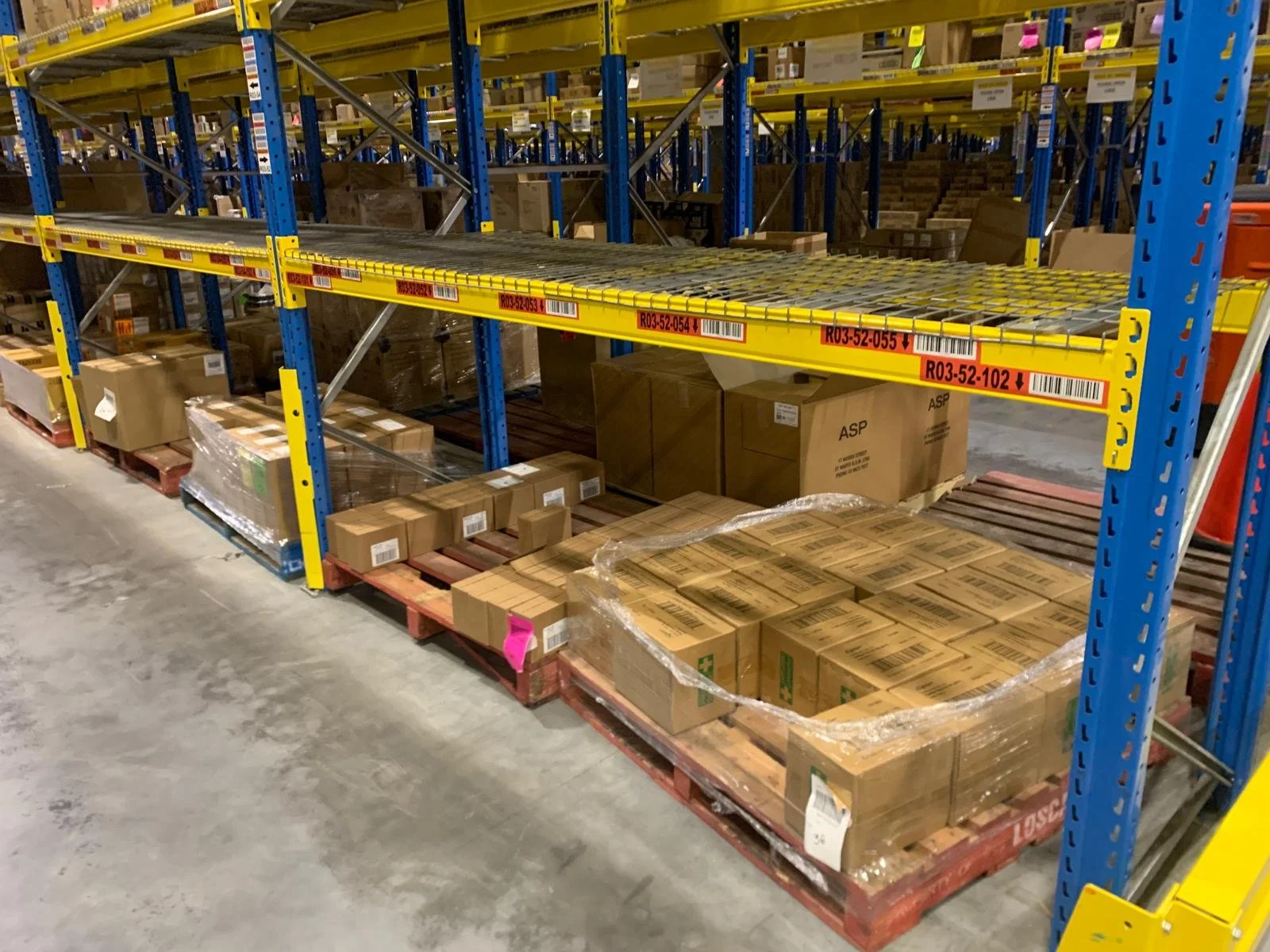
Inventory accuracy is the backbone of any successful warehouse operation. When labels are clear and consistent, stock counts become more reliable. Barcode systems, QR codes, and RFID tags are commonly used to integrate labelling with inventory management software, allowing real-time updates as items are moved or shipped.
Accurate inventory data means fewer stockouts, less overstocking, and better forecasting. It also reduces the likelihood of double-handling, which can lead to damaged goods and wasted labour. In short, clear labelling is not just about identification—it’s about maintaining the integrity of your entire supply chain.
Compliance and Safety Benefits
Labelling isn’t only about efficiency; it’s also about compliance and safety. Australian workplace health and safety regulations require clear identification of hazardous materials, emergency exits, and restricted zones. Proper labelling helps prevent accidents by ensuring dangerous goods are stored and handled correctly. It also assists in meeting legal obligations, avoiding fines and reputational damage.
Long-Term Impact on Business Success

Investing in a comprehensive labelling system pays off in the long run. Here’s how:
Reduced Operational Costs: Accurate labelling minimises errors, saving money on returns, re-shipping, and wasted labour.
Improved Customer Satisfaction: When orders are fulfilled correctly and on time, customers are more likely to return and recommend your business.
Scalability: As your business grows, a well-structured labelling system makes it easier to expand operations without chaos.
Data-Driven Decisions: Integrated labelling systems provide valuable insights into stock movement, helping managers make informed decisions about purchasing and storage.
Best Practices for Effective Labelling
To maximise the benefits of clear labelling, consider these best practices:
Use Standardised Formats: Consistency is key. Labels should follow a uniform design across all areas of the warehouse.
Incorporate Technology: Barcodes and RFID tags enable automation and reduce human error.
Ensure Durability: Labels should withstand environmental conditions such as moisture, dust, and temperature changes.
Train Staff: Even the best labelling system fails without proper training. Ensure employees understand how to read and apply labels correctly.
Regular Audits: Periodically review your labelling system to identify gaps and make improvements.
Conclusion
Clear labelling is far more than a cosmetic detail—it’s a strategic tool that underpins inventory accuracy and operational success. By reducing errors, improving efficiency, and supporting compliance, proper labelling helps businesses deliver on their promises to customers. In the competitive world of logistics, that reliability is what sets successful companies apart.
If you are experiencing any of these challenges and need assistance in implementing an effective warehouse identification system, we are here to help.
Our team of experts specialises in optimising warehouse operations and can provide tailored solutions to address your specific needs. Don't hesitate to reach out to us for guidance and support. Together, we can overcome these challenges and unlock the full potential of your warehouse identification system.
Contact us today to take the first step towards a more efficient and productive warehouse environment.