
Understanding Safety Signage and Compliance in Australian Warehousing and Logistics
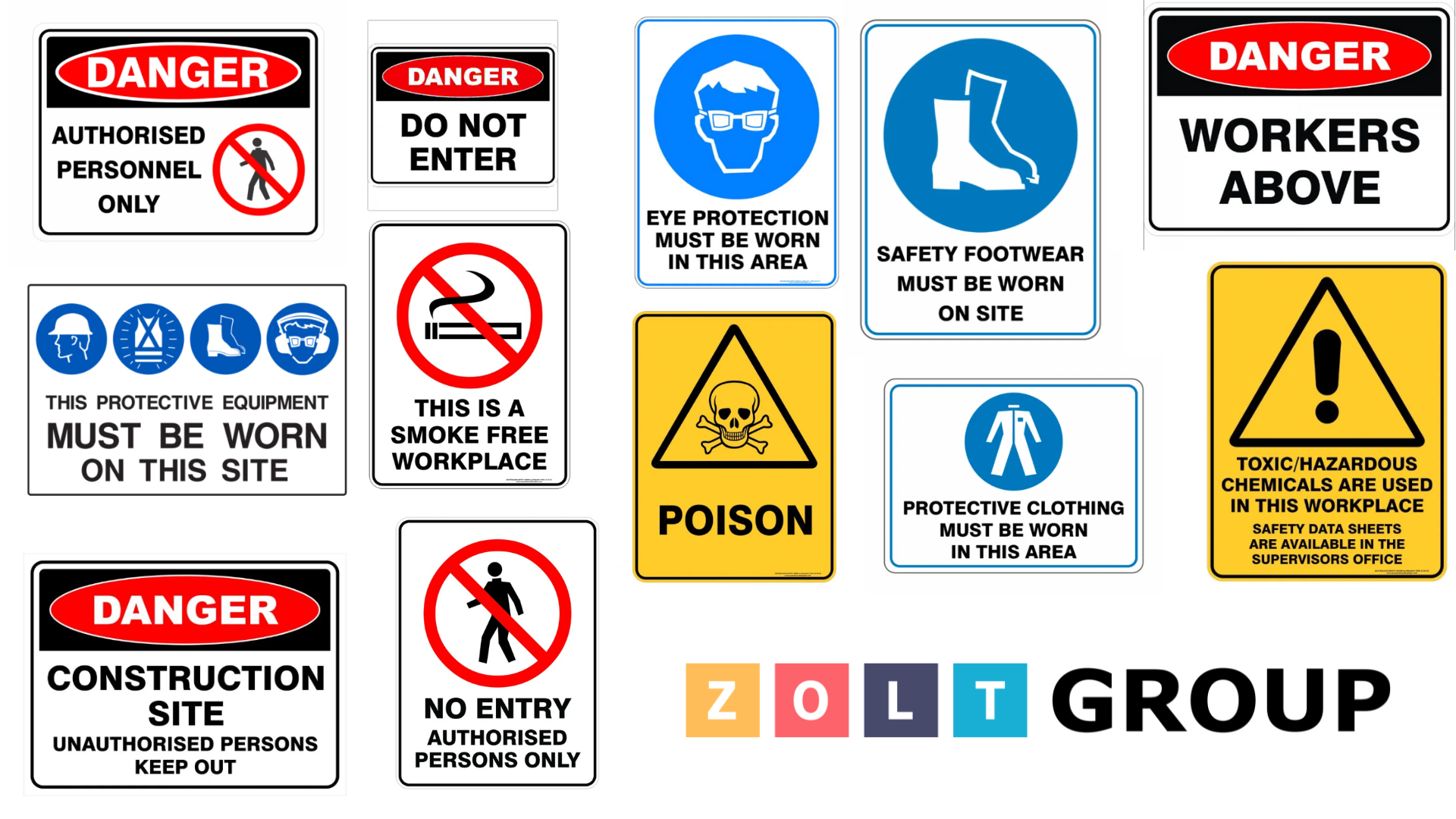
Safety signage plays an essential role in creating safe, compliant, and efficient warehouse and logistics environments across Australia.
As warehouses grow in scale and complexity, safety signs help workers, contractors, and visitors quickly understand hazards, required behaviours, and emergency procedures—often in high‑risk, high‑traffic spaces. Importantly, safety signage isn’t just best practice; it’s a legal obligation under Australia’s Work Health and Safety (WHS) laws.
This article explores why safety signage matters, the compliance framework that governs it, and how businesses can ensure their warehouse environments align with Australian standards.
The Legal Framework: WHS Act and Regulations
In Australia, the foundation for workplace safety—signage included—comes from the Work Health and Safety Act 2011, which requires employers to provide a safe workplace and control foreseeable risks. Under the WHS Regulations, businesses must ensure hazards are clearly identified and communicated to all individuals onsite, including through signage when necessary.
These regulations clarify duties around marking emergency exits, highlighting hazardous areas, and identifying mandatory safety requirements such as Personal Protective Equipment (PPE).
Beyond these regulations, Safe Work Australia’s Model WHS Regulations specifically note that safety signs must be displayed where hazards exist, PPE is mandatory, or emergency information must be easily accessible. These requirements make signage not only operationally important, but a critical compliance step.
Australian Standards Governing Safety Signage
While the WHS Act sets out legal responsibilities, the technical details of sign design, colour, and placement are governed by Australian Standards.
AS 1319‑1994 – Safety Signs for the Occupational Environment
This is the primary standard covering safety signage in Australian workplaces. It defines how safety signs should be designed and used to regulate behaviour, warn of hazards, and provide emergency information. Key elements include classification, colour coding, and layout requirements.
The standard outlines several critical sign categories, including:
Prohibition Signs – Red circle with diagonal slash, indicating actions that are not allowed (e.g., “No Smoking”).
Mandatory Signs – Blue circle with white pictogram, showing actions that must be taken, such as wearing PPE.
Danger Signs – Red oval with the word “DANGER” on a black rectangle, used for life‑threatening hazards.
Warning Signs – Yellow with black text or symbols to indicate risks that may cause harm.
Emergency Information Signs – Green with white symbols, marking exits, first aid, or emergency equipment.
Fire Safety Signs – Red with white icons, indicating the location of fire-fighting equipment.
Warehouses may also need to comply with additional standards depending on layout and operational risks:
AS 2293.1‑2018 – Governs emergency escape lighting and exit signage.
AS 3745‑2010 – Guidelines for emergency management plans, including evacuation signage.
AS 2342:1992 – Complements safety signage principles for graphical symbols used in workplaces.
Being familiar with these standards is essential for building a fully compliant safety signage system in any warehouse or logistics facility.
Why Safety Signage Matters in Warehousing and Logistics
Warehouses are dynamic, high‑movement environments where workers interact with heavy equipment, vehicles, and stored goods. Safety signage helps reduce risks by:
Preventing struck‑by incidents with forklifts and moving vehicles.
Highlighting hazardous materials and unsafe areas.
Reinforcing PPE requirements in loading docks, production zones, or chemical storage areas.
Directing workers to emergency exits, fire extinguishers, and first‑aid stations.
Supporting traffic management systems in areas with pedestrian–vehicle interaction.
Effective signage keeps workers alert, focused, and aware of their surroundings—particularly important in environments where repetitive tasks can lead to complacency.
Placement, Visibility, and Maintenance Requirements
According to AS 1319‑1994, safety signs must be placed in prominent positions, near eye level, and close to the hazard or instruction point. Signs must also be visible from an appropriate distance, with recommended symbol and text sizes scaled by viewing distance. These sizes should be increased by 50% in environments with low light or obstructed views.
To ensure ongoing compliance, businesses must:
Keep signs clean, unobstructed, and well lit.
Avoid visual clutter—too many signs can overwhelm workers.
Replace faded, damaged, or outdated signage promptly.
Ensure signs are not obscured by racking, pallets, or equipment.
Warehouses must also review signage placements whenever floor layouts, workflow processes, or hazard zones change.
Common Compliance Pitfalls
Some frequent issues that lead to non‑compliance include:
Using outdated or non‑standard signage, especially cheap imports not aligned with AS 1319.
Overuse of signage, which can reduce effectiveness and increase cognitive load.
Failing to integrate signage with broader safety management systems, such as traffic management plans and emergency procedures.
Not training staff to understand the meaning and purpose of specific signs.
Ensuring workers understand the signage system is just as important as displaying the signs themselves.
Conclusion
Safety signage is a fundamental component of warehouse and logistics safety in Australia, helping businesses meet their WHS obligations while reducing risks for workers and visitors. Compliance requires a clear understanding of both national legislation and technical standards like AS 1319‑1994 and AS 2293.1‑2018.
By implementing signage thoughtfully—ensuring relevance, visibility, and maintenance—businesses can create safer, more compliant, and more efficient workplaces.
If you are experiencing any of these challenges and need assistance in implementing an effective warehouse identification system, we are here to help.
Our team of experts specialises in optimising warehouse operations and can provide tailored solutions to address your specific needs. Don't hesitate to reach out to us for guidance and support. Together, we can overcome these challenges and unlock the full potential of your warehouse identification system.
Contact us today to take the first step towards a more efficient and productive warehouse environment.