
Warehouse Labelling, Signage and Line Marking: Driving Warehouse Efficiency, Space Utilisation, and Flow
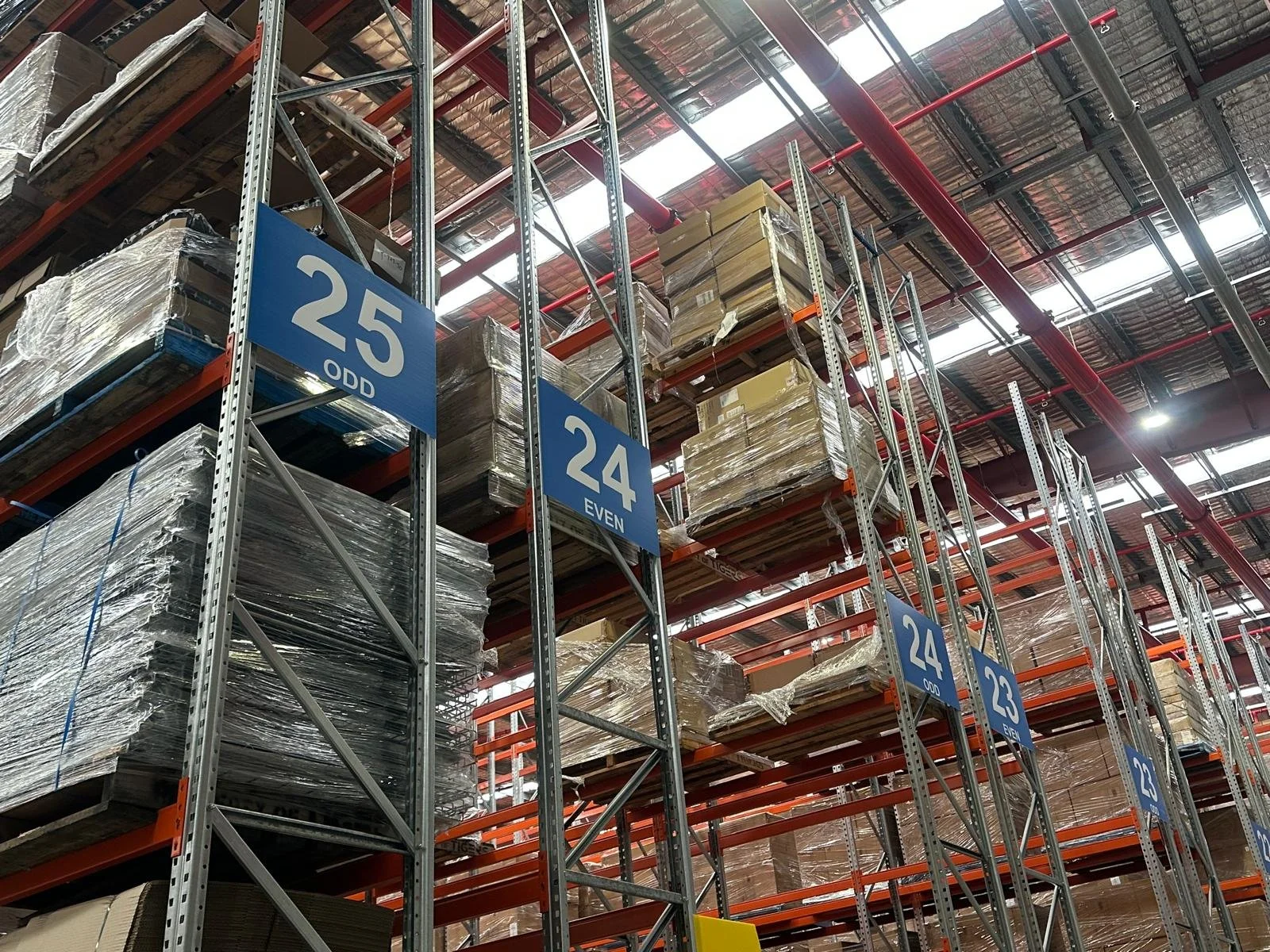
A warehouse manager once said, “We don’t have a space problem.”
Yet just hours later, pallets had to be shifted just to access other stock. Receiving was backed up, replenishment was delayed, and inventory had spilled into overflow areas.
Sound familiar?
The truth is, many warehouses aren’t running out of space—they’re running out of flow, visibility, and organisation. One of the most effective (and often overlooked) ways to address this is through a combination of warehouse labelling, signage, and line marking working together as a complete visual management system.
The Hidden Cost of Poor Warehouse Flow
When a warehouse lacks clear visual guidance, inefficiencies begin to compound quickly:
Congestion in aisles and staging zones
Increased travel time for pickers and forklift operators
Excess handling or “double touches” of inventory
Slower order fulfilment and reduced throughput
At first glance, this can look like a capacity issue. In reality, it’s a visibility and organisation problem—where teams are forced to rely on guesswork instead of clear direction.
Why Warehouse Labelling Is the Foundation of Efficiency
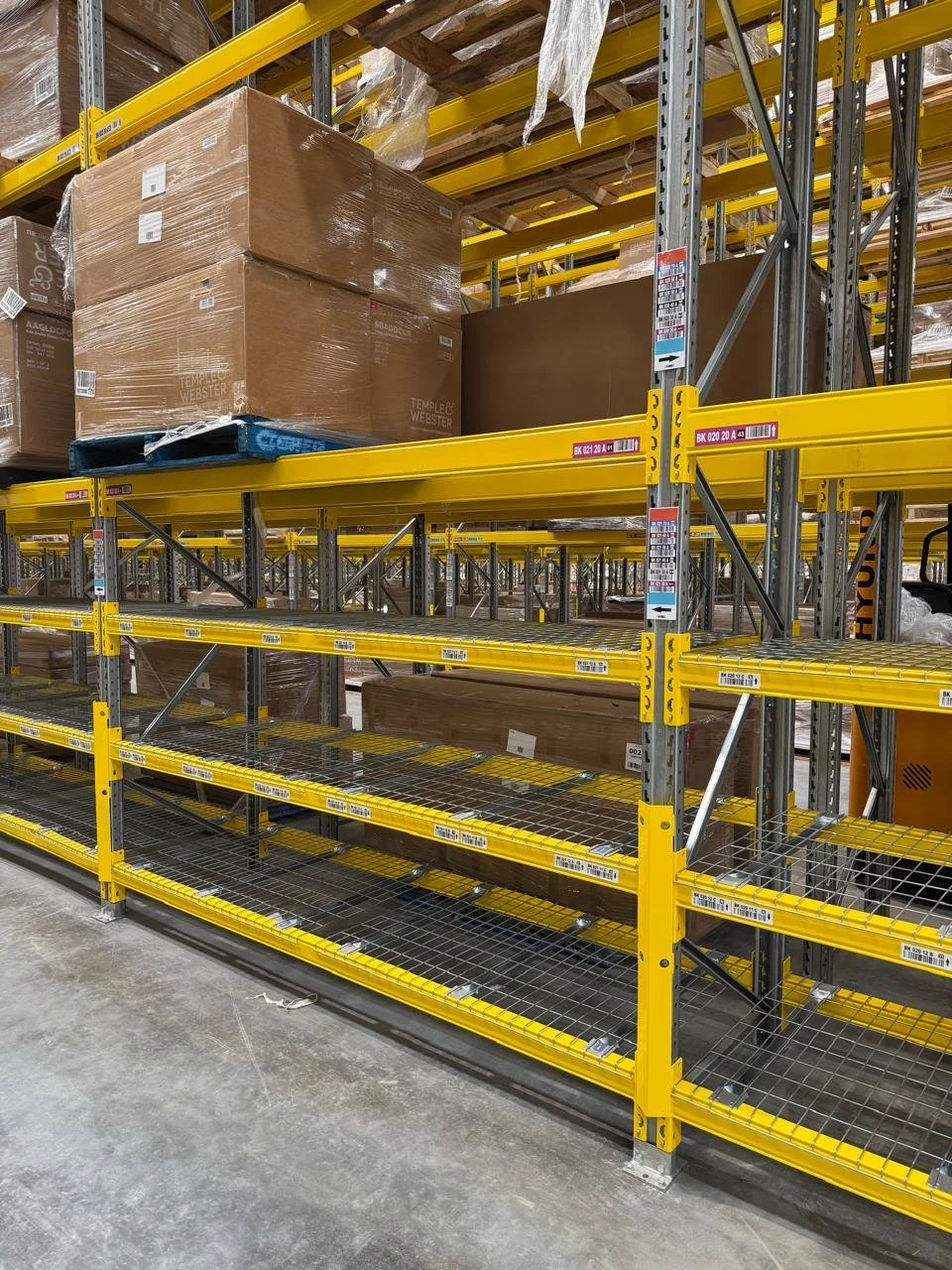
A structured warehouse labelling system creates clarity at every level of the operation.
With clear rack labels, barcode systems, bin locations, and pallet identifiers, your team can:
Locate inventory faster and with fewer errors
Improve stock accuracy and cycle counting
Speed up receiving, put-away, and picking processes
Bring new staff up to speed quickly
When everything is clearly labelled and easy to navigate, your warehouse becomes more predictable, measurable, and scalable.
The Role of Warehouse Signage in Operational Flow
While labelling defines what goes where, warehouse signage directs how things move.
Effective signage—such as aisle markers, zone identifiers, safety signs, and directional boards—helps to:
Guide forklifts and pedestrian traffic safely
Clearly identify inbound, outbound, and staging areas
Reduce confusion at intersections and high-traffic zones
Support smoother, more consistent workflows
Together, labelling and signage create a warehouse environment where decisions are made faster and movement is more controlled.
How Line Marking Brings It All Together
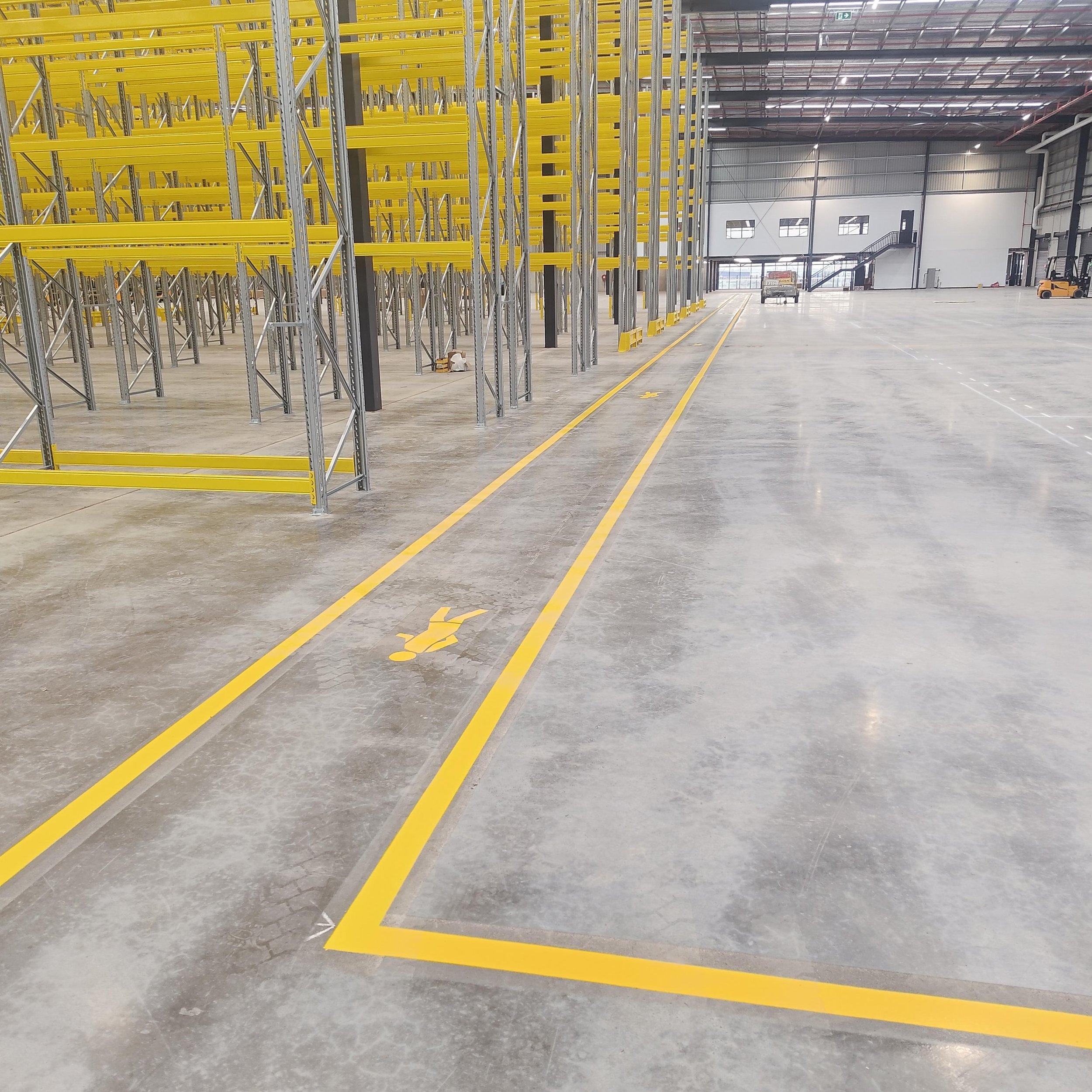
One of the most powerful—but often underutilised—tools in warehouse optimisation is floor line marking.
Line marking physically defines your warehouse layout, reinforcing both labelling and signage. It ensures that your intended processes are not just understood—but followed.
Well-designed warehouse line marking can:
Clearly define walkways, forklift lanes, and safety zones
Mark out staging, picking, and replenishment areas
Prevent encroachment into critical operational spaces
Reduce congestion by enforcing traffic flow
For example, a clearly marked outbound staging area prevents pallets from spilling into travel lanes, while designated pedestrian walkways improve both safety and efficiency.
When line marking aligns with your labelling and signage, it creates a fully integrated visual system—where space, movement, and processes all work in sync.
Maximising Warehouse Space Without Expanding
Before committing to a costly warehouse expansion, it’s worth looking at how effectively your current space is being used.
A combination of warehouse labelling, signage, and line marking helps unlock hidden capacity by:
Defining storage and overflow zones clearly
Eliminating wasted or ambiguous spaces
Encouraging consistent pallet placement and slotting
Preventing clutter from building up in key areas
The result is better warehouse space utilisation without increasing your footprint.
Improving Warehouse Flow and Reducing Bottlenecks
Flow is what separates a good warehouse from a high-performing one.
By integrating labelling, signage, and line marking, you can:
Streamline movement from receiving through to dispatch
Reduce bottlenecks in high-traffic areas
Minimise delays in replenishment and picking
Improve overall warehouse productivity
Instead of constantly reacting to issues, your operation becomes proactive—guided by a clear and consistent visual system.
From Space Constraints to Flow Optimisation
The key question isn’t: “Do we need more space?”
It’s: “Do we have the right systems in place to support flow?”
In many cases, improving your warehouse visual management—through labelling, signage, and line marking—can deliver immediate gains in efficiency, throughput, and safety.
How ZOLT Group Can Help
At ZOLT Group, we specialise in complete warehouse labelling, signage, and line marking solutions designed to improve operational efficiency, maximise space utilisation, and optimise flow.
From rack labels and barcode systems to custom signage and professional floor marking, we help transform disorganised warehouses into streamlined, high-performing environments.
If your warehouse is facing congestion, delays, or space challenges, it may be time to rethink your layout—not expand it.
Ready to Improve Your Warehouse Efficiency?
Get in touch with ZOLT Group today to discover how the right combination of labelling, signage, and line marking can transform your warehouse operations.