
Why Warehouse Racking Type Matters for Labelling, Signage, and Operational Efficiency
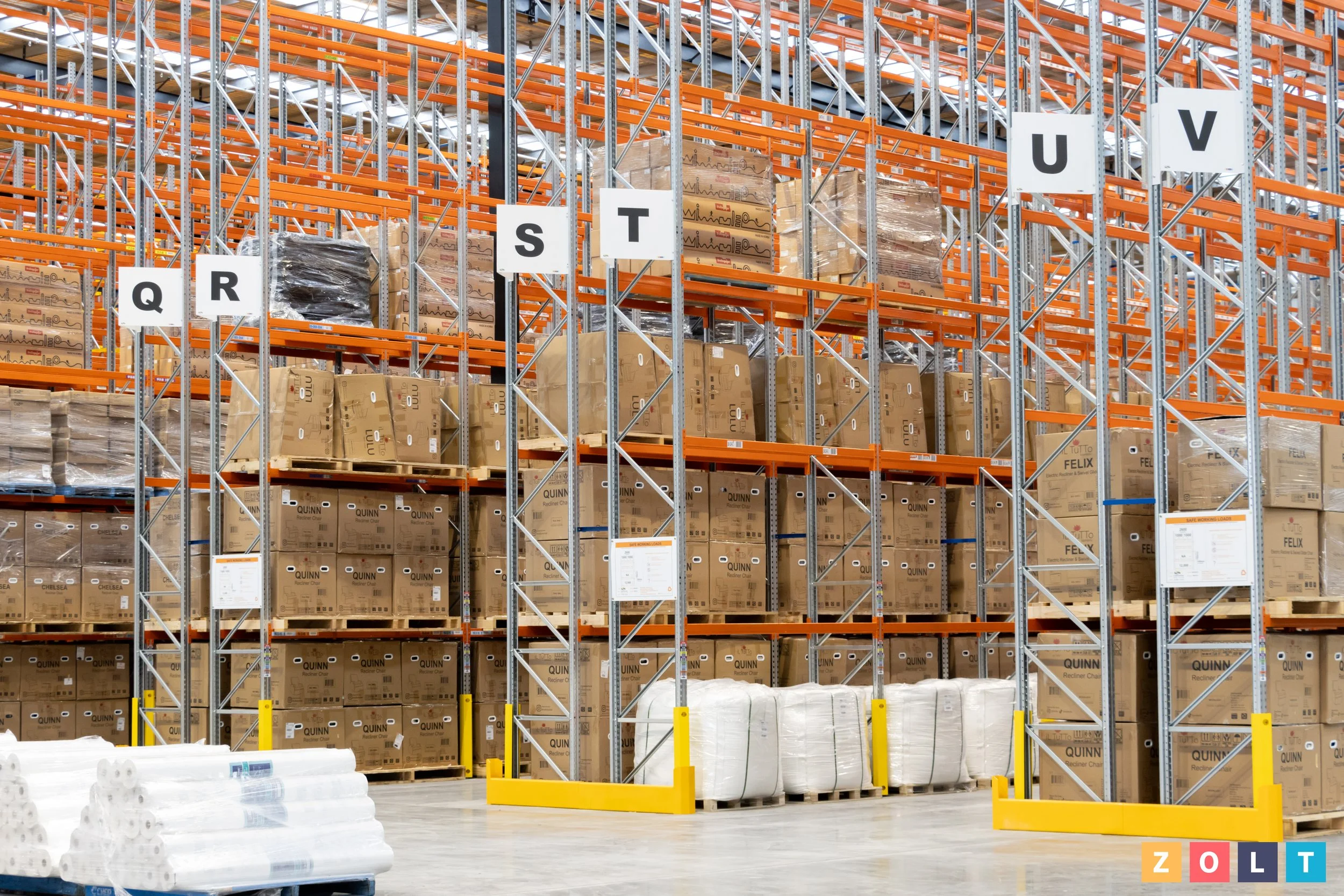
In many warehouse environments, racking is often viewed purely as a storage solution—a physical structure designed to maximize space. However, its role extends far beyond that. The type and quality of racking directly influence how effectively labelling, signage, and safety systems can be implemented, which in turn impacts overall operational efficiency and risk management.
A recent industry post highlighted the importance of compliant, well-designed pallet racking—particularly systems that align with standards such as AS4084. While this is often discussed in the context of structural integrity and load capacity, there is another critical dimension: how racking supports clear communication within the warehouse environment.
Racking as the Foundation for Visual Management
Labelling and signage are only as effective as the structures they are applied to.
Different racking types—selective pallet racking, drive-in systems, cantilever racking, or high-density storage—each present unique challenges and opportunities for labelling and signage:
Beam and upright design affect where labels can be placed and how visible they are
Aisle configuration dictates signage positioning and line-of-sight clarity
Height and depth influence scanning accessibility and readability
Surface condition and durability determine how well labels adhere over time
If racking is inconsistent, damaged, or not designed with these considerations in mind, even the best labelling system can fail to deliver results.
The Impact on Operational Efficiency
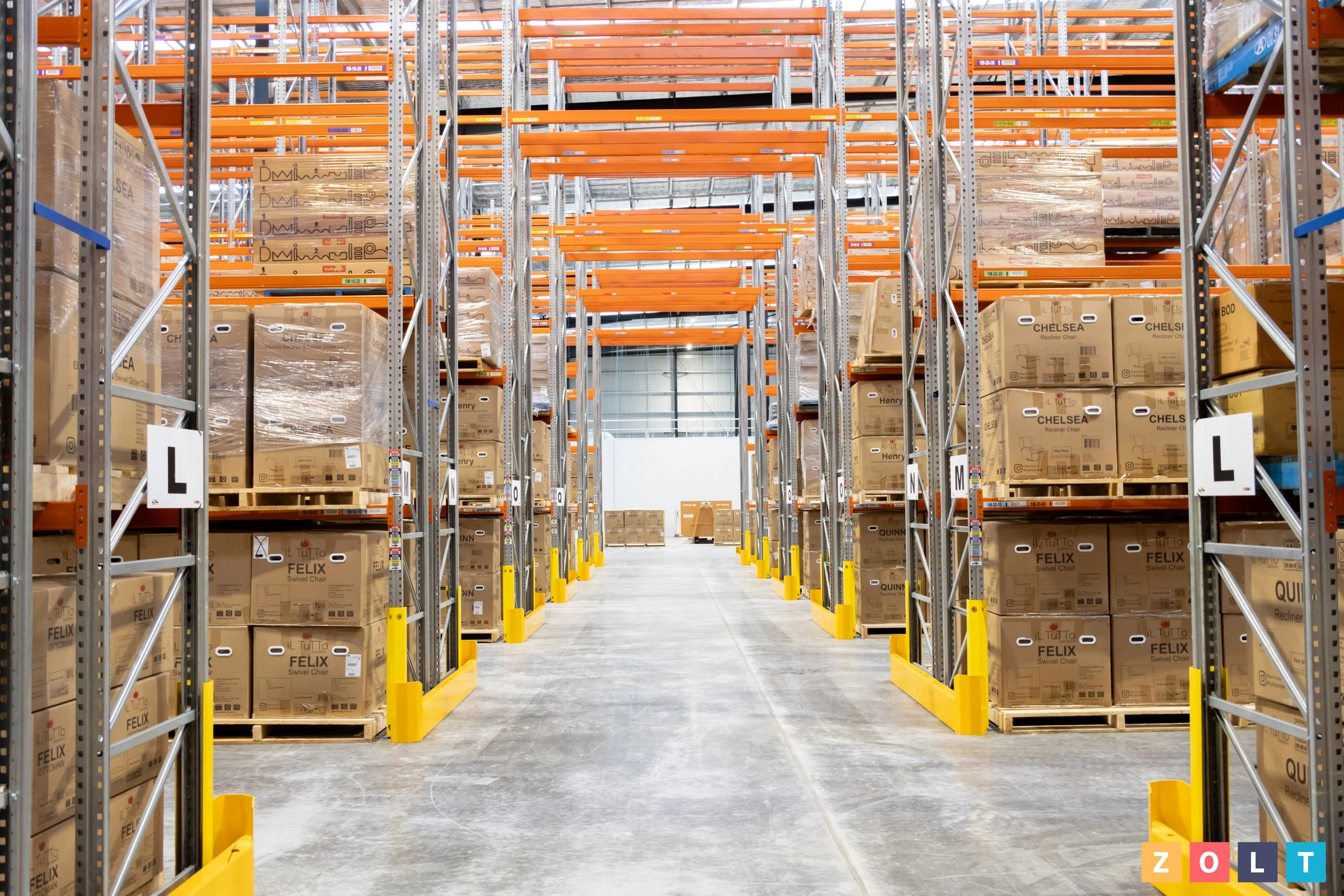
When racking and labelling systems are aligned, warehouses become significantly more efficient.
Clear, well-positioned labels on properly structured racking allow:
Faster picking and put-away times
Reduced reliance on tribal knowledge
Improved onboarding for new or temporary staff
Greater accuracy in inventory handling
In contrast, poorly configured racking leads to:
Misidentified locations
Slower decision-making on the floor
Increased errors and rework
Efficiency is not simply about speed—it’s about consistency and repeatability. A warehouse that is visually intuitive enables teams to perform at a high level, regardless of experience.
Safety: A Critical Consideration
The type and condition of racking also play a major role in workplace safety.
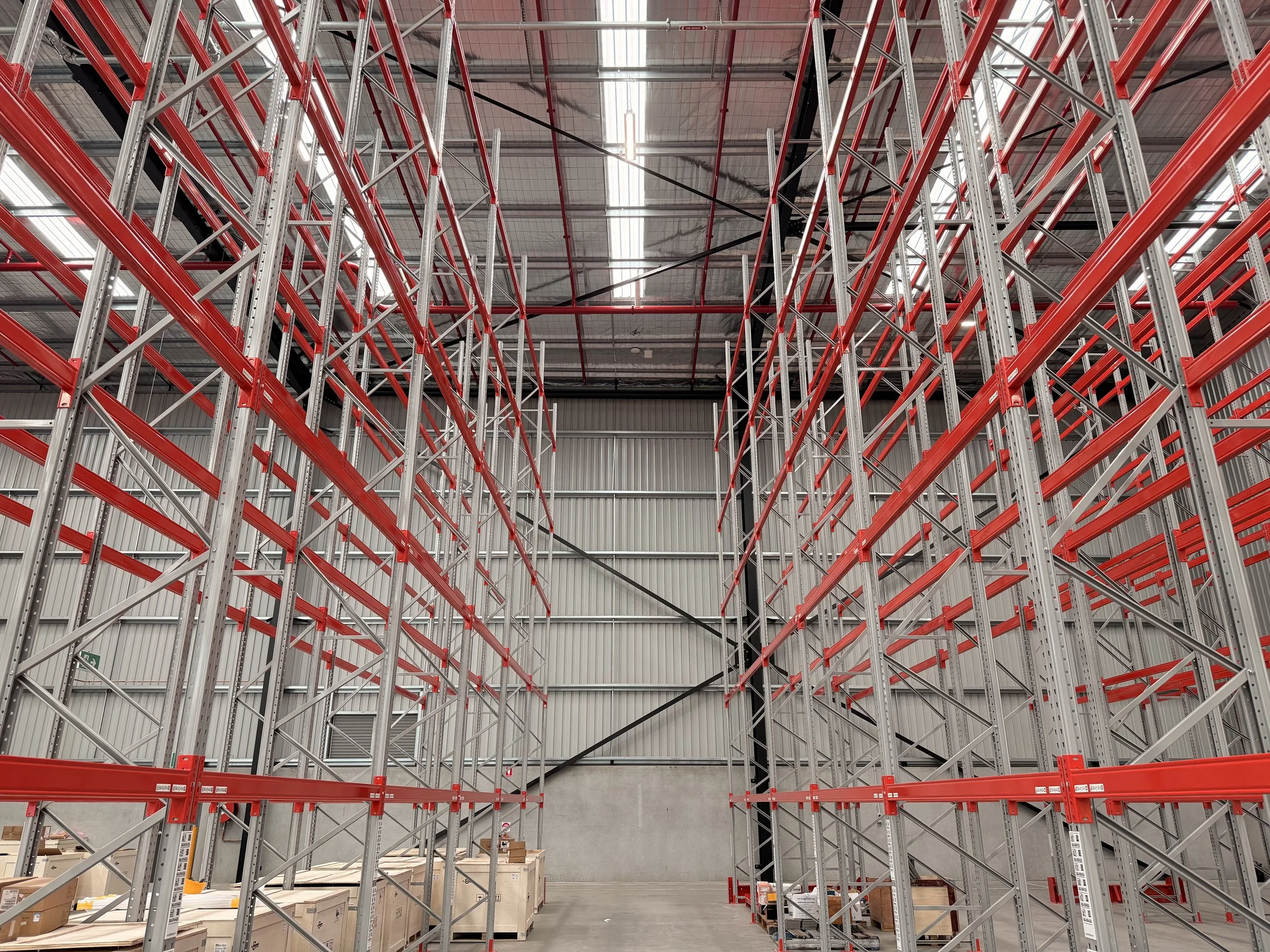
Quality racking that meets relevant standards ensures:
Structural stability under load
Clearly defined storage zones
Proper spacing between aisles and operations
When combined with effective signage and line marking, this creates:
Clearly defined pedestrian and forklift pathways
Visible hazard zones and load limits
Reduced risk of collisions, overloading, and misplacement
On the other hand, inadequate racking—whether due to poor design, damage, or non-compliance—introduces risks that signage alone cannot mitigate. Safety in a warehouse environment is always a combination of physical infrastructure and visual communication.
Designing for Integration, Not Retrofit
One of the most common challenges in warehousing is retrofitting labelling and signage onto existing racking that was never designed with it in mind.
The most effective operations take a different approach:
They design racking, labelling, and signage as an integrated system from the outset.
This means:
Selecting racking types that support clear label placement
Allocating consistent labelling zones across all storage levels
Ensuring sightlines are not obstructed
Incorporating line marking and signage into overall warehouse layout planning
This integrated approach reduces long-term costs, minimizes rework, and ensures systems scale effectively as the operation grows.
The Role of Quality Racking in Long-Term Performance
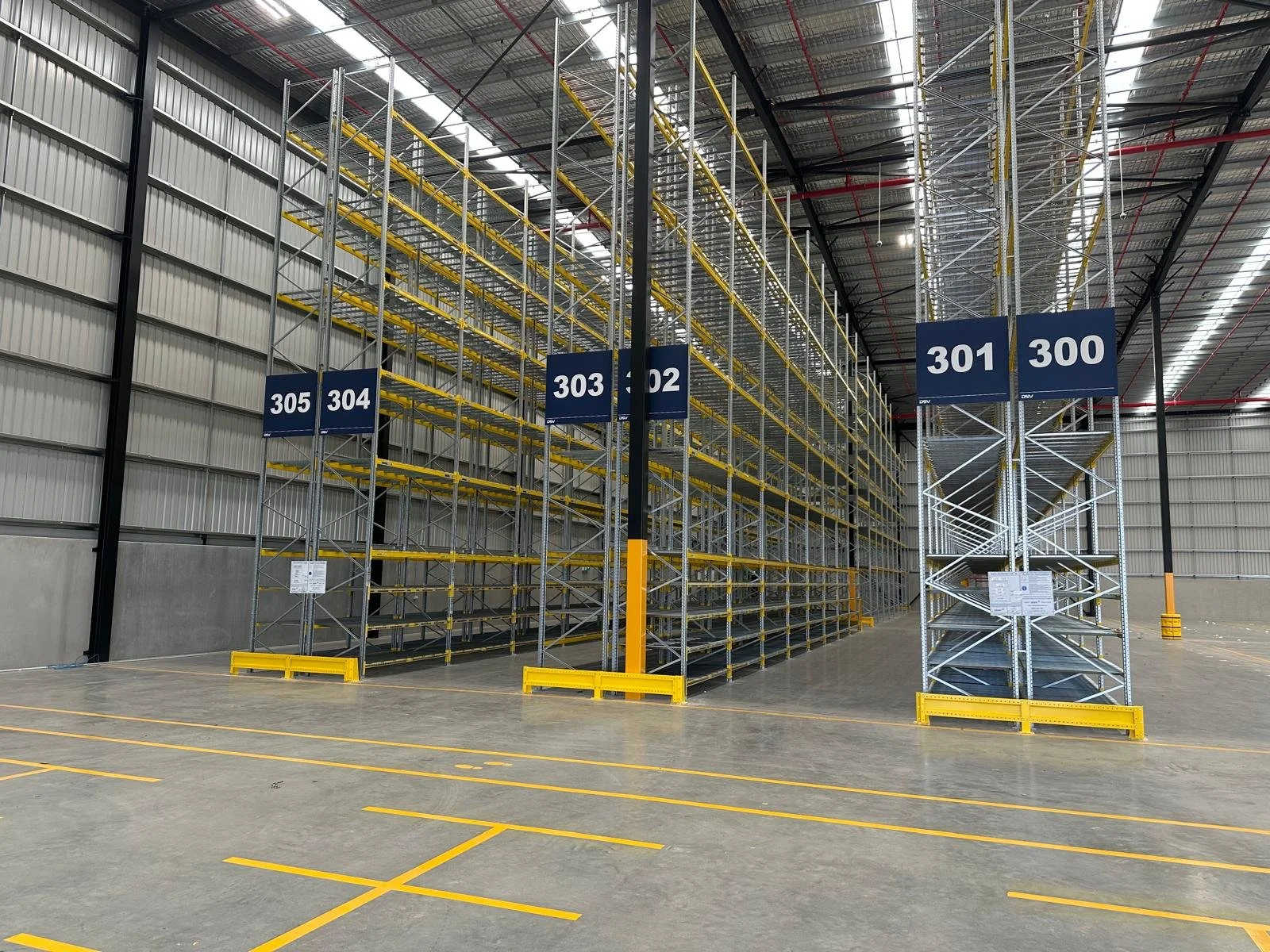
Investing in high-quality, compliant racking is not just about meeting standards—it’s about enabling a warehouse to function at its full potential.
Quality racking:
Maintains alignment and structure over time, preserving label placement
Withstands daily operational wear and tear
Supports consistent, reliable workflows
Provides a stable foundation for automation and scanning technologies
When paired with robust labelling and signage solutions, it transforms the warehouse into a self-guiding environment—one where processes are clearly defined and easily followed.
Final Thoughts
A warehouse does not operate efficiently or safely by chance. It is the result of deliberate design decisions—where infrastructure and visual systems work together seamlessly.
Racking is not just storage. It is the framework upon which clarity, efficiency, and safety are built.
When the right racking is combined with clear labelling, effective signage, and structured line marking, the outcome is a warehouse that:
Reduces risk
Improves productivity
Scales with confidence
Minimizes reliance on individual knowledge
In today’s fast-moving supply chain environment, that alignment is not just beneficial—it’s essential.
If you’re facing challenges aligning your warehouse labelling with your WMS or ERP, ZOLT Group can help.
We specialise in designing identification systems that integrate seamlessly with your technology, processes, and growth plans.
Get in touch todayto build a more accurate, scalable, and system‑ready warehouse operation.